Chamomile
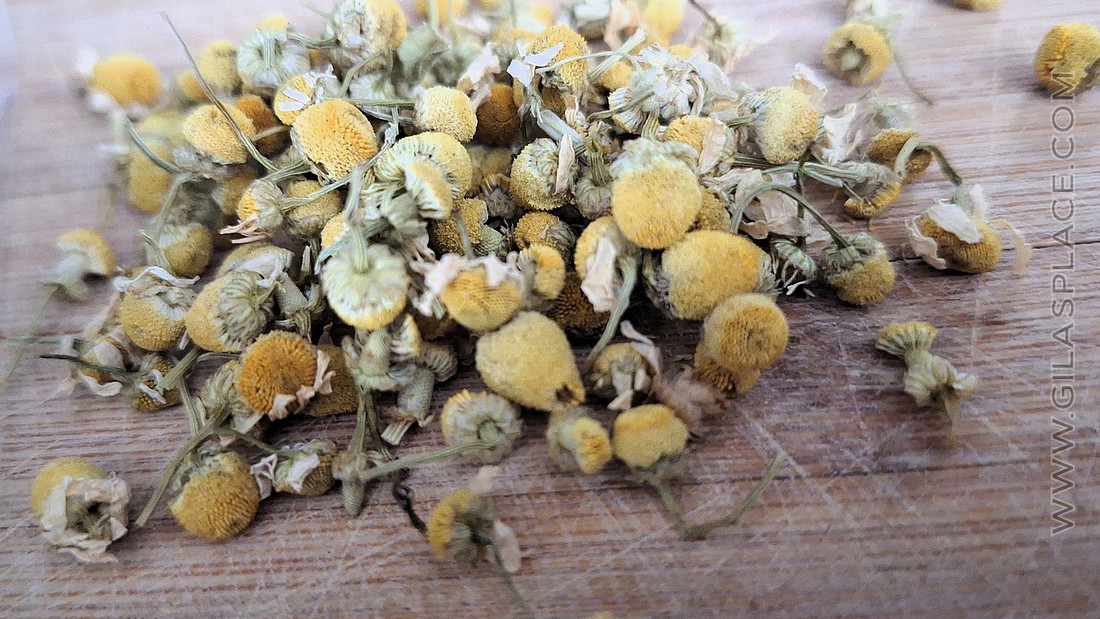
 Chamomile is an herb derived from daisy-like plants in the Asteraceae family. This tiny dried flower is known for its mild, apple-like scent and long history in traditional medicine dating back to ancient Egyptian, Greek, and Roman cultures. There are two primary species: German chamomile (Matricaria recutita or Matricaria chamomilla), which is an annual plant commonly used for its flowers, and Roman chamomile (Chamaemelum nobile), a perennial often valued for its essential oil.
Chamomile is mostly consumed as a tea but can be ground for capsules, or made into tinctures, creams, and essential oils. Its active compounds, like apigenin (an antioxidant), contribute to its therapeutic effects.
Common benefits:
-Promotes relaxation and sleep and acts as a mild sedative and nervine relaxant, helping reduce stress, anxiety, and insomnia by binding to brain receptors similar to benzodiazepines.
It can soothe gastrointestinal issues like indigestion, gas, nausea, and menstrual cramps due to its anti-inflammatory and antispasmodic properties.
Topical applications may help with irritations, eczema, or minor wounds thanks to its antibacterial and anti-inflammatory effects.
Some studies suggest it could support immune function against colds, lower blood sugar in diabetes management, or even brighten hair when used as a rinse.
While chamomile shows promise in these areas, evidence varies—it's well-supported for relaxation but less conclusive for other uses, and it's not a substitute for medical treatment.
Chamomile is generally considered safe for most people when consumed in typical amounts, like in tea.
Rare side effects might include nausea, dizziness, or drowsiness.
NOTE:
-Those allergic to plants in the Asteraceae family (e.g., ragweed, marigolds) should avoid it, as it can cause reactions like skin rashes or anaphylaxis in sensitive individuals.
-It may interact with blood thinners, sedatives, or certain medications, so consult a doctor if you're pregnant, breastfeeding, or on meds.
If you're interested in growing it, German chamomile thrives in full sun with well-drained soil and is easy to cultivate from seeds.
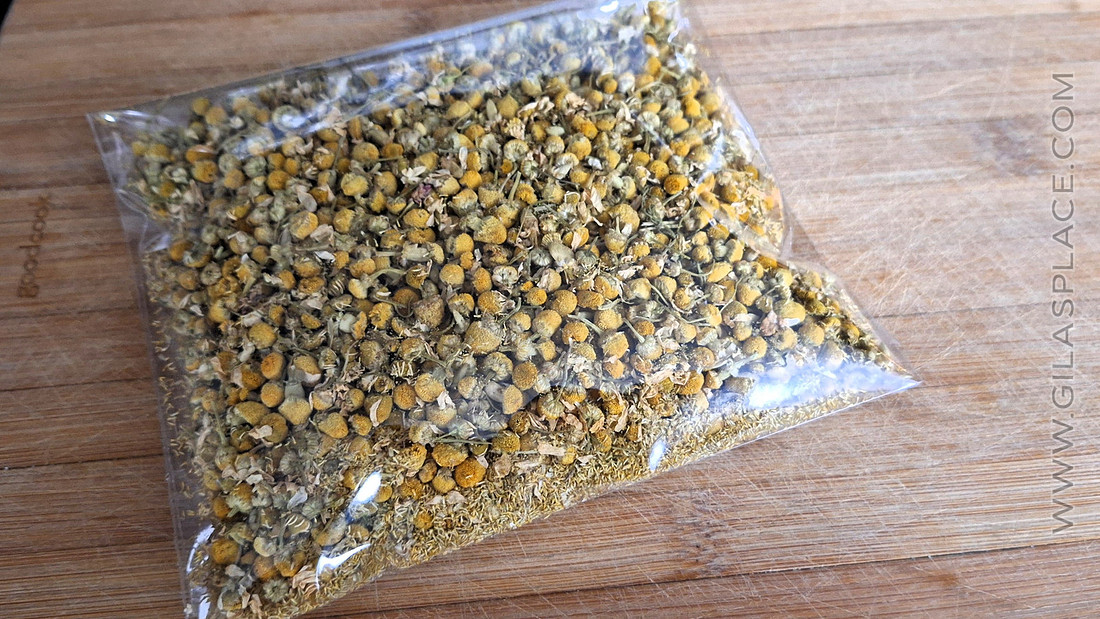
For a simple home use, steep 1-2 teaspoons of dried flowers in hot water for 5-10 minutes to make tea.
Sources:
https://www.webmd.com/diet/supplement-guide-chamomile
https://www.nccih.nih.gov/health/chamomile
https://www.health.com/chamomile-benefits-7494692
https://www.mskcc.org/cancer-care/integrative-medicine/herbs/chamomile-german
https://draxe.com/nutrition/chamomile-benefits/
https://evinature.com/blog/herbs-compounds/chamomile-side-effects-what-you-need-to-know/
https://www.gaiaherbs.com/blogs/seeds-of-knowledge/chamomile-benefits?srsltid=AfmBOopdzJ8WTha84I-9fDSrynRSskmAztdPcgEdDNeT_sDyzU3CzutC
https://foodmedcenter.org/dietary-supplements-and-their-uses-german-chamomile/
https://www.sciencedirect.com/science/article/pii/S0965229924000591
