Wild Lettuce
In the Lactuca genus (Asteraceae family), wild lettuce, most commonly Lactuca serriola (prickly lettuce) and Lactuca virosa (opium lettuce or bitter lettuce) among others, are biennials (or sometimes annuals) related to cultivated lettuce.
Most people do not consider Wild Lettuce a welcome addition to the garden. It is a hardy "weed" that thrives in disturbed areas like roadsides, vacant lots, gardens, fields, and even cracks in pavement, It prefers full sun and can tolerate most soils from dry and full of gravelly to more moist conditions. It is widespread in North America, Europe, and other areas and is considered highly invasive in many places due to its prolific seeding.
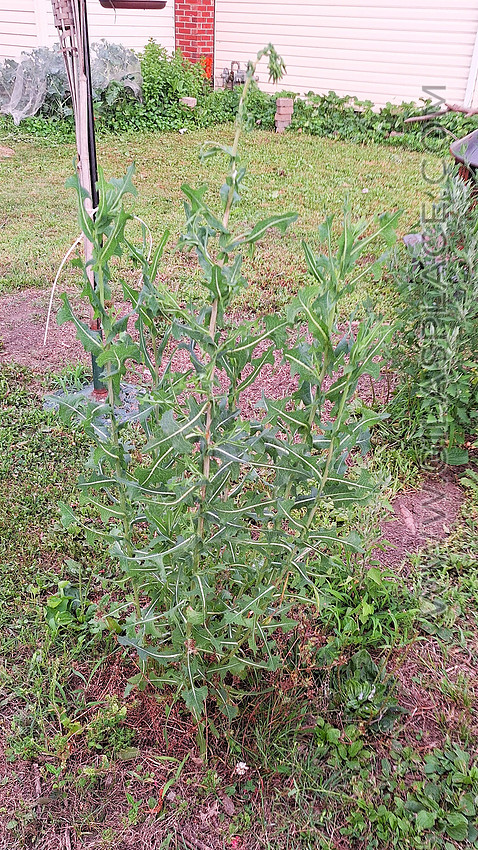

However, some people grow or forage it intentionally for additions to food dishes and medicinal things.
Direct sow in early spring or fall. Press seeds lightly into soil surface (they need light) and keep moist. Seeds will germinates in 7–20 days (cooler temps often better; no stratification usually needed). Space 12" apart. Self-seeds easily once established.
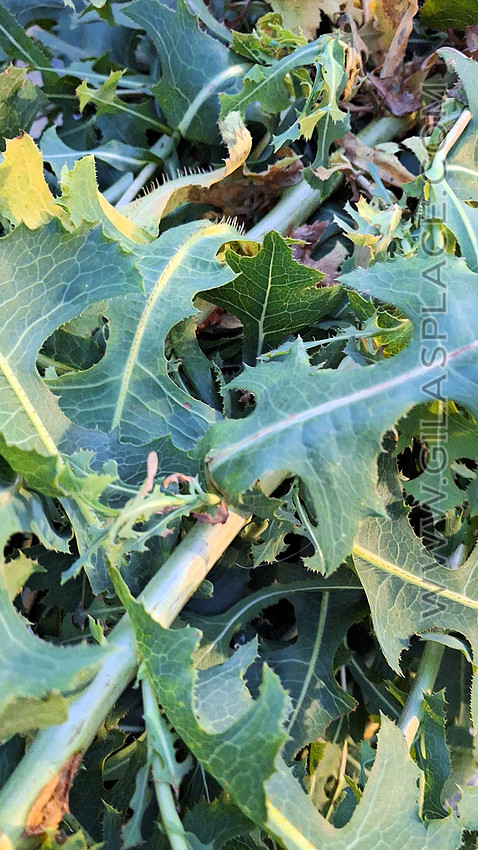
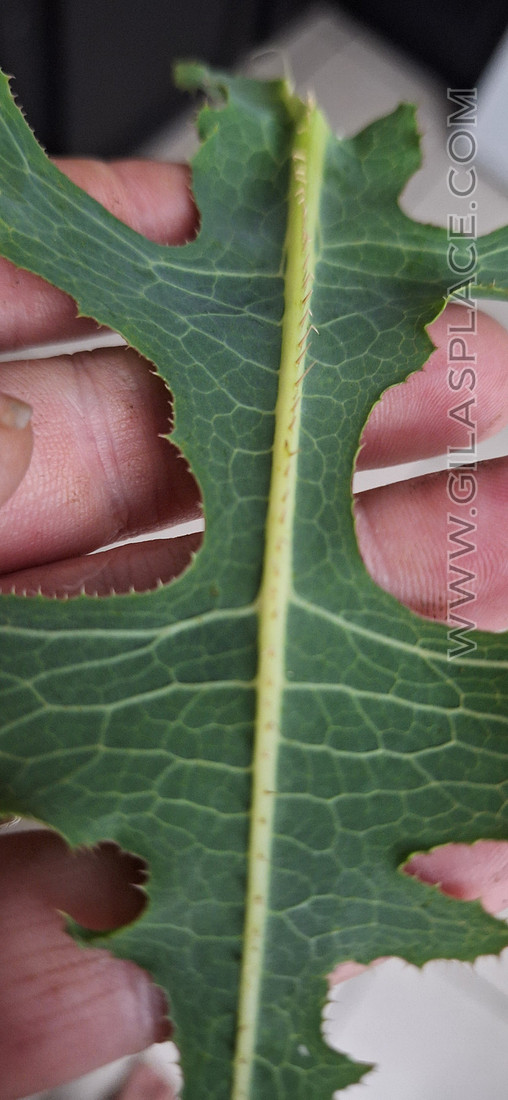
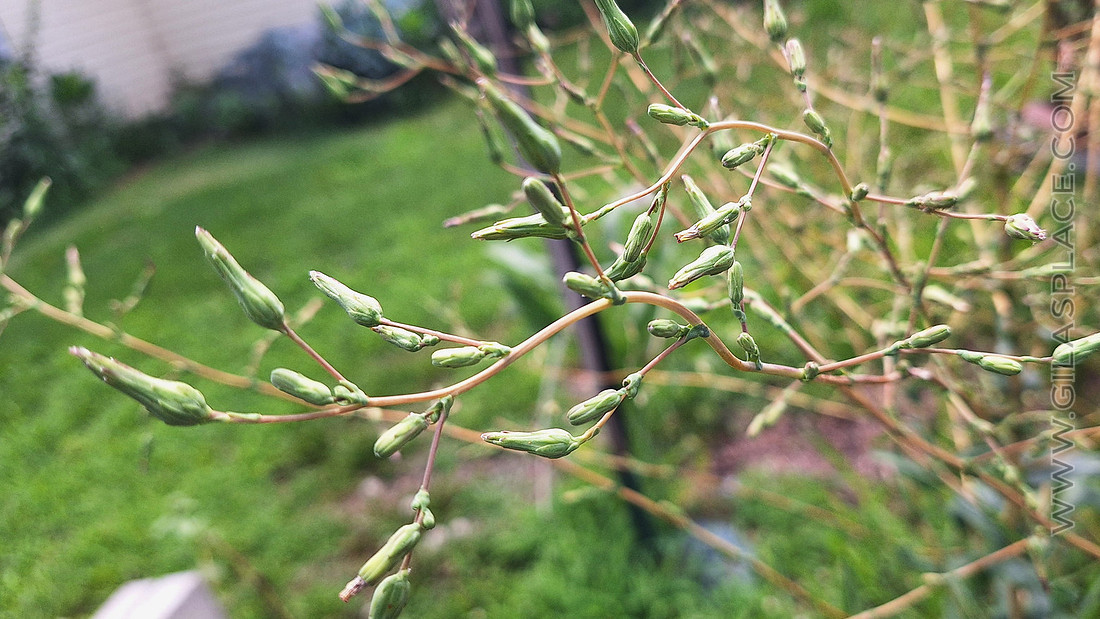
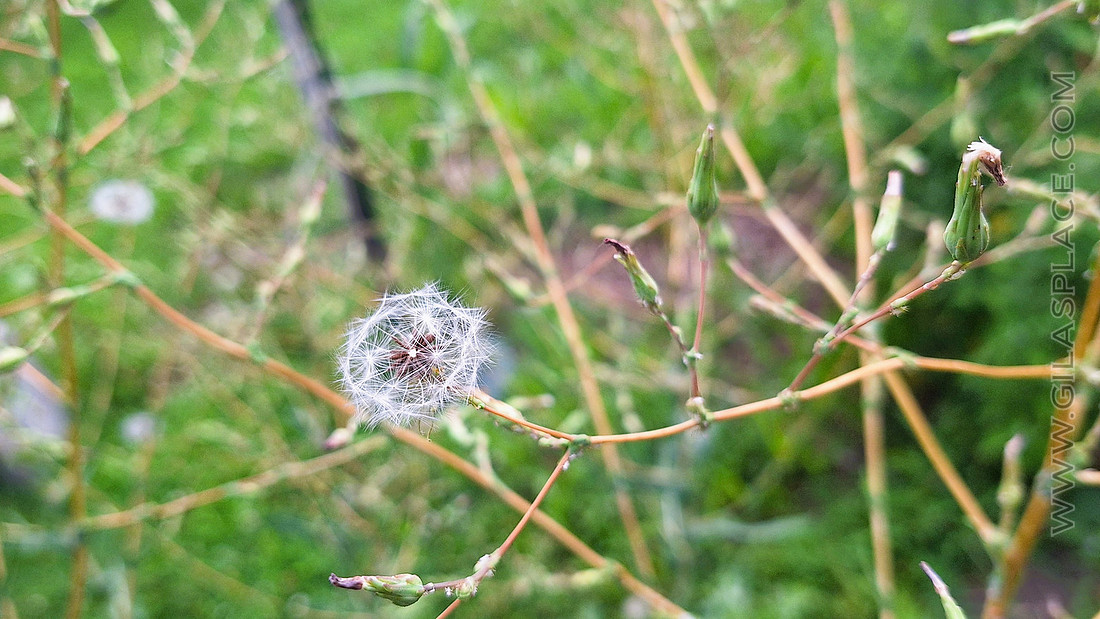
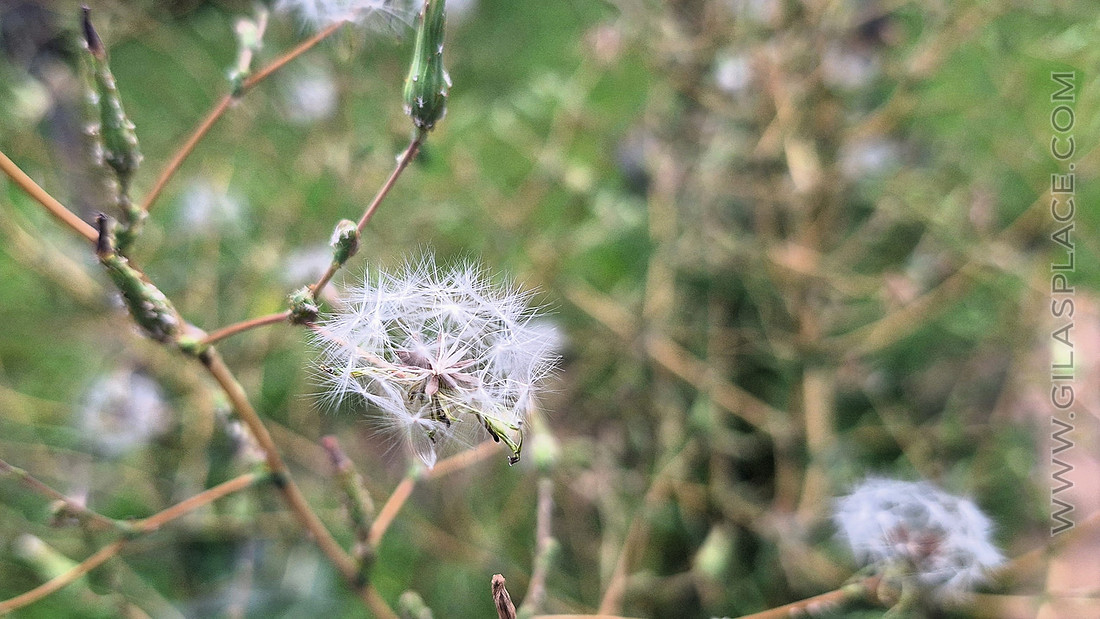
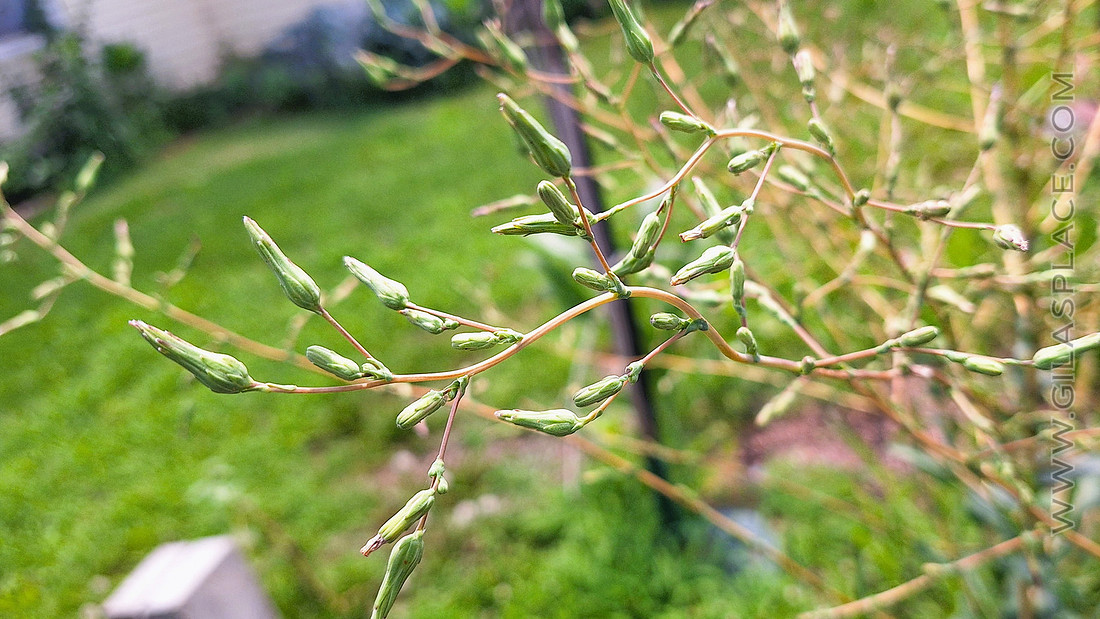
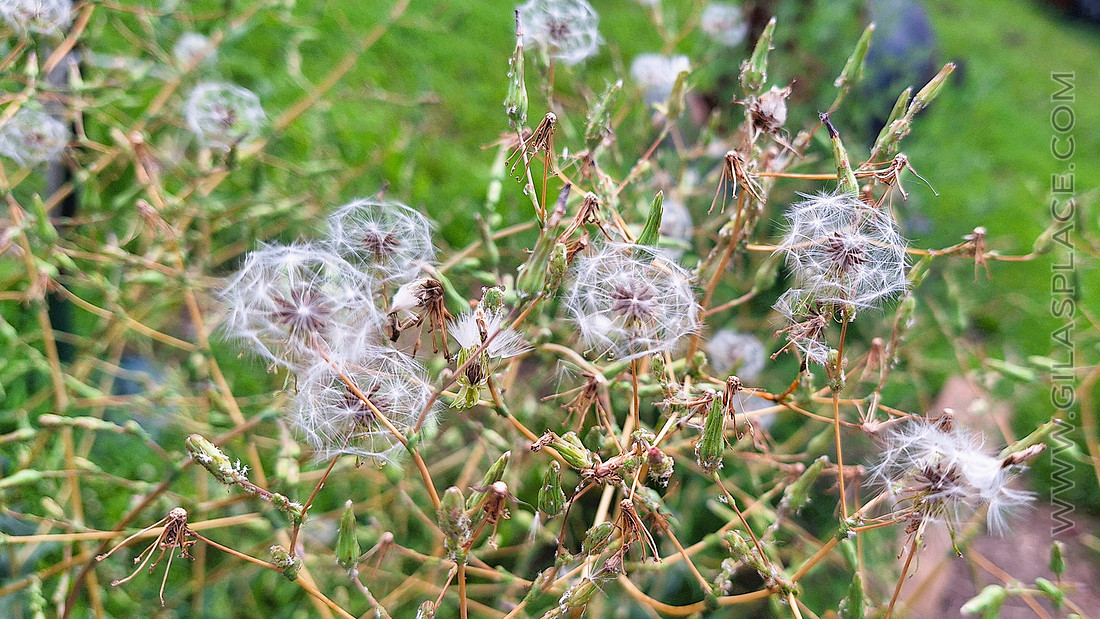
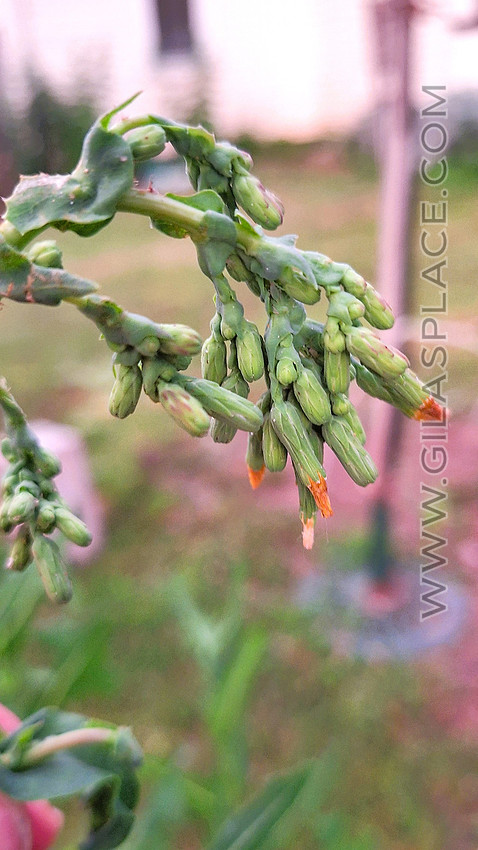
This "weed" is a biennial. In the first year it is low-growing and has a rosette of lobed, prickly-edged leaves. It's second year it sends up a tall flower stalk (up to 6–10 ft) with small yellow or bluish flowers, followed by dandelion-like seed heads that turn white and puffy. These seed heads make it self sowing by way of the wind and are extremely prolific.
Young leaves are used in salads or as cooked greens (boil older ones to reduce bitterness). They have a mild, slightly bitter flavor but I like young leaves sautéed with onions and bacon and a splash of vinegar to deglaze the pan.
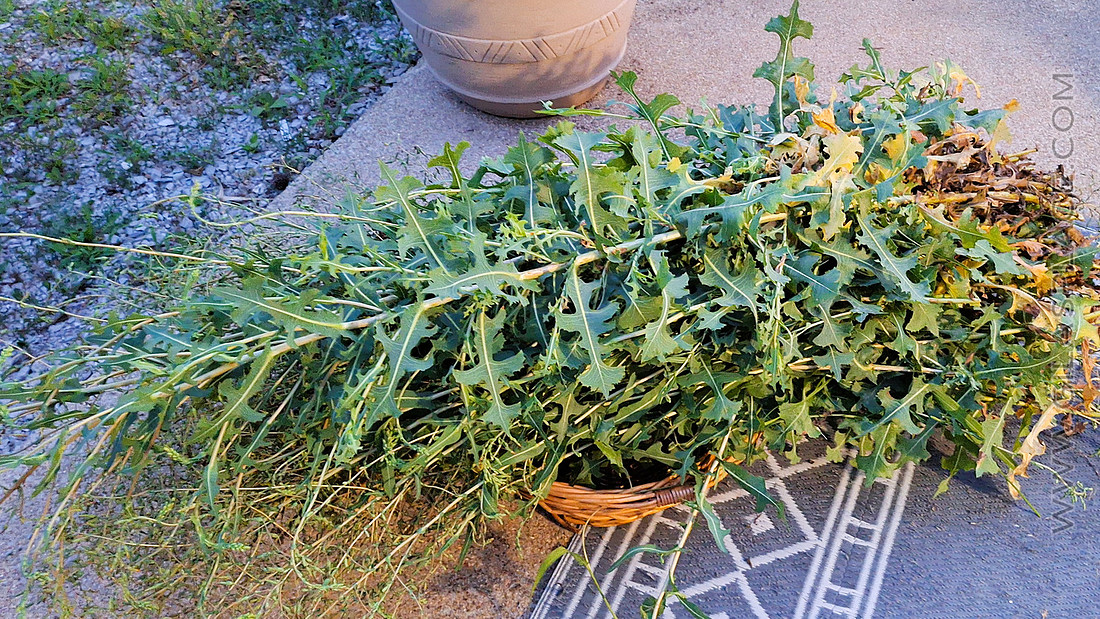
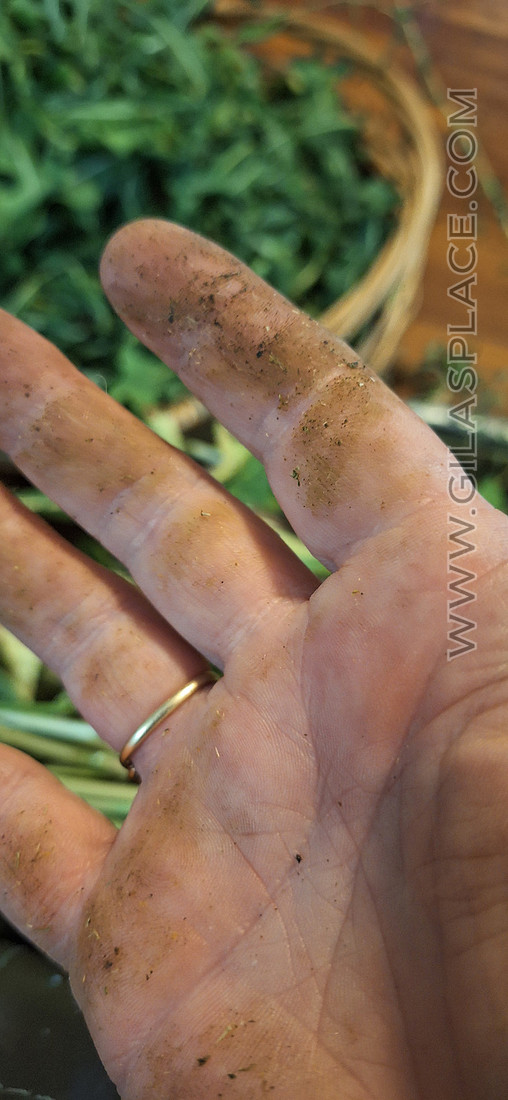
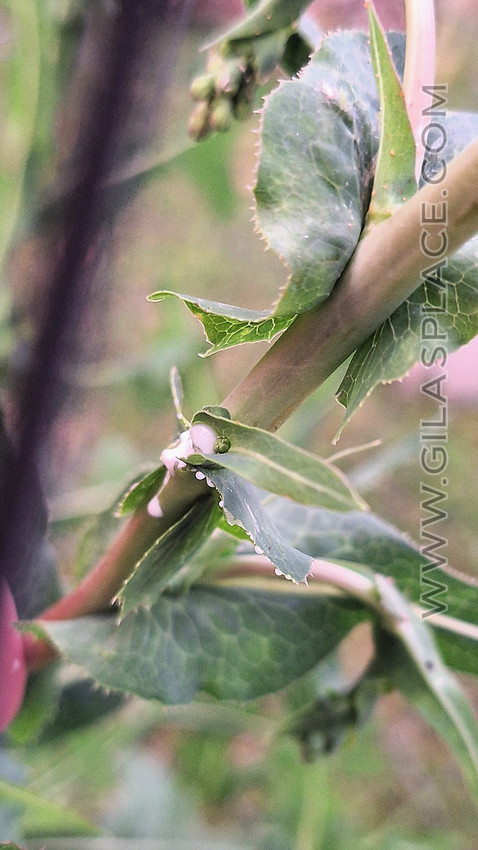
Medicinal uses come from the milky white sap (latex, containing lactucarium) that comes when you break or rupture the plant skin or membrane.
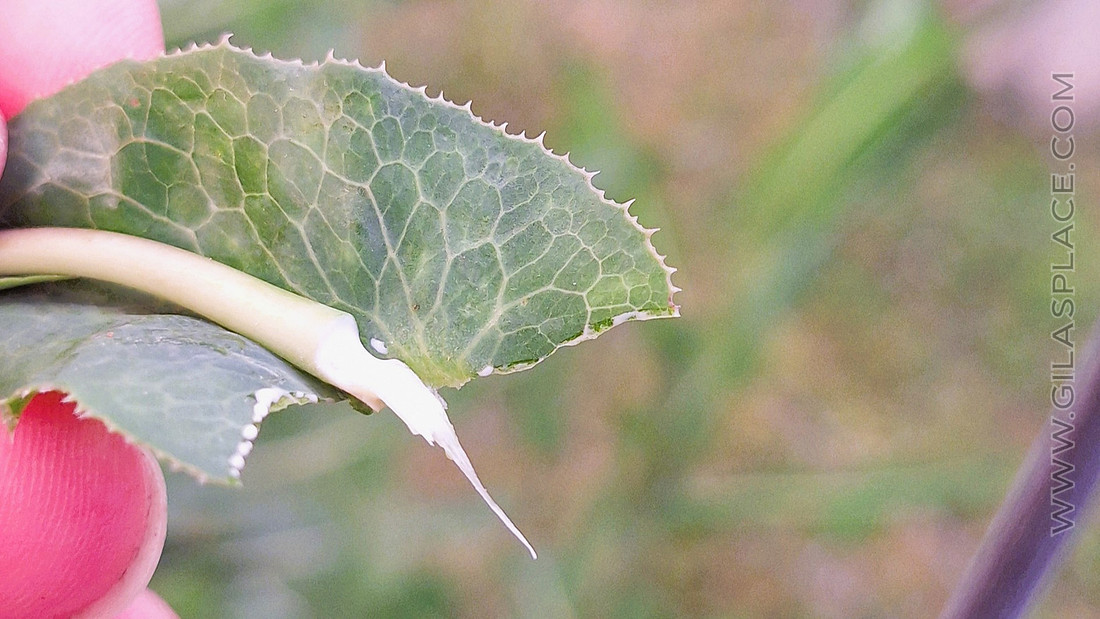
Traditionally it's be used as a mild sedative, pain reliever, and for insomnia, coughs, spasms, or anxiety and is often prepared as tinctures, teas, or dried sap resin. While called "soft opium" it is not a strong narcotic.
Please note:
This plant can be very bitter and may cause digestive upset when used in excess. Always consult a professional before medicinal use, especially if pregnant or on other medications.
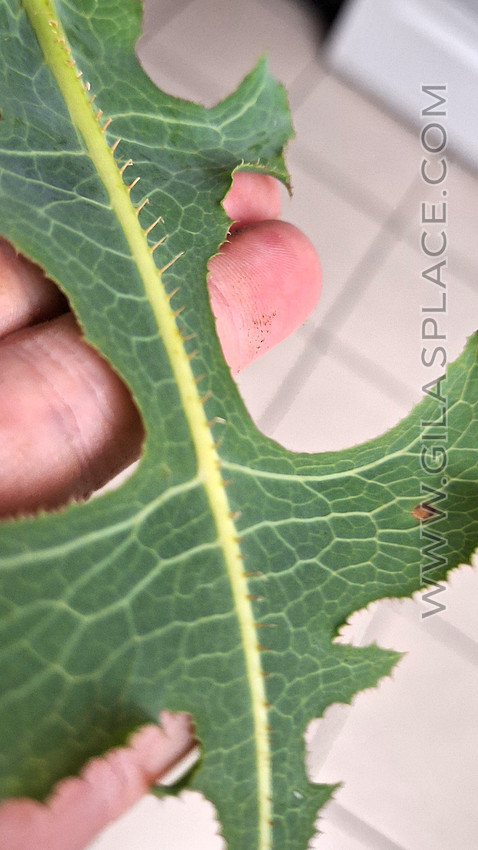
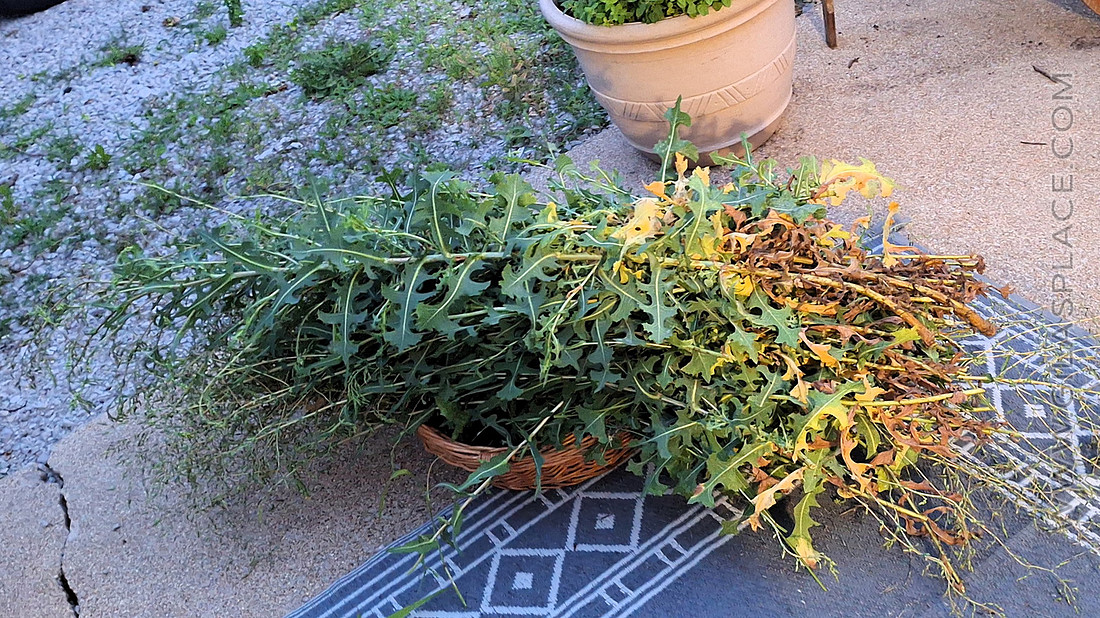
This plant is very easy to grow (or forage) as a resilient, low-maintenance plant, but it can become weedy. Harvest when young for food or before flowering for stronger medicinal latex.